Practical steps to efficient hybrid meetings
Hybrid meetings are now the norm, but they bring challenges in-person meetings never had: scratchy audio, disengaged remote attendees, and information that gets lost. This guide gives you 13 practical steps covering both the logistics and the culture of running hybrid meetings well.
Main takeaways
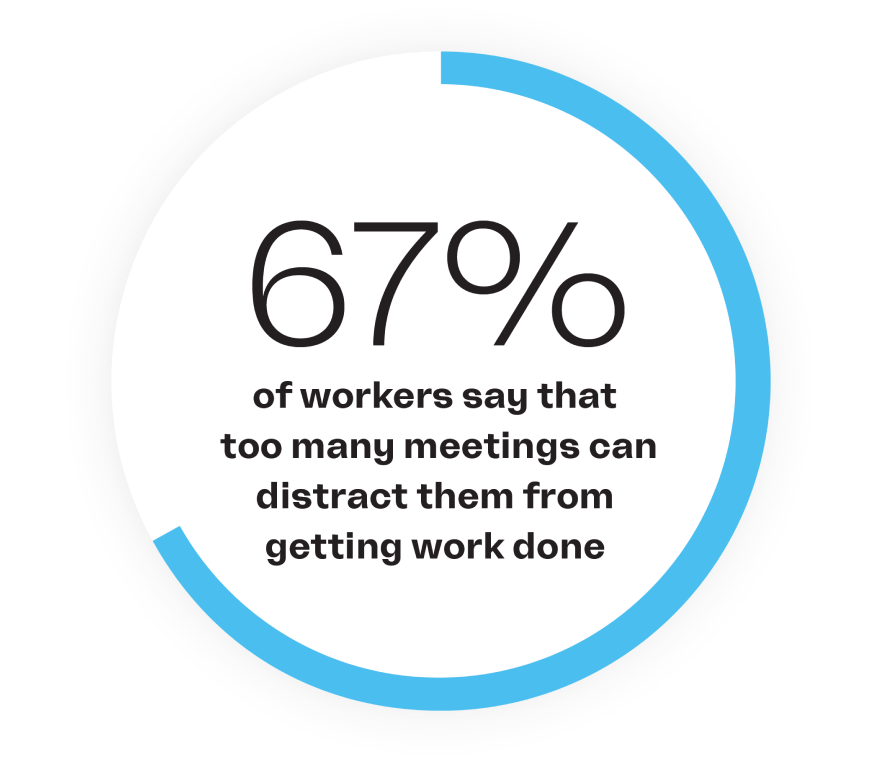
Hybrid organizations run into two kinds of meeting problems: logistical ones like audio and overscheduling, and cultural ones that leave people disconnected. These 13 steps address both.
- Cut meeting overload first: audit your meetings, move what you can to asynchronous tools, and plan the rest with a proper agenda
- Fix the room: upgrade your audio before anything else, choose the right camera and display size, test the equipment, and use room booking data to plan the right mix of spaces
- Change the culture: appoint a facilitator, capture notes centrally, break the ice, turn on chat, and create deliberate collaboration opportunities for remote teammates
Smarter meetings, a more engaged team, and less time wasted.
Small changes to your meeting culture can make a big difference. This guide dives into the ways you can ensure that all workers stay connected during hybrid meetings.